

Mentorship Action Plan-MAP for youth leaders June 2024- October 2025
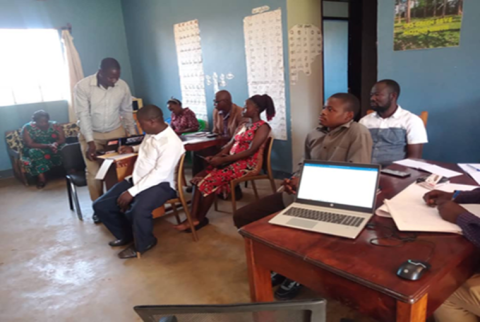
The SLOGBAA project implemented the “The Mentorship Action Program” (MAP), by pairing 30 trained Youth Council Leaders with dedicated local mentors.
The Model: A Partnership Built on Proximity and Purpose
Rather than importing experts from afar, the mentorship Action program’s first innovation was its foundation in local relevance. The youth themselves selected their mentors based on clear criteria: mentors must be locally accessible and aligned with the mentees' leadership aspirations. This ensured that guidance was not only expert but also empathetic, grounded in the same cultural and political landscape.
Using a blend of WhatsApp, phone calls, and physical visits, the mentees and mentors co-created a structured yet flexible engagement model. At its core was the Mentorship Action Plan (MAP), a living document that tracked progress, set goals, and turned abstract local leadership concepts into concrete steps.
More Than Theory: Hands-On Learning for Real-Local Issues
The mentorship sessions bridged the gap between the classroom and the council hall. While some meetings were one-on-one, others were hands-on, with mentors observing and guiding mentees as they moderated Community Youth Parliament sessions. This real-time feedback transformed theory into practice.
Across 60 mentorship sessions from June 2024 to October 2025, the mentorship covered critical modules:
- Developing Issue-Based Manifestos: Moving from vague promises to precise, actionable advocacy agendas, particularly ahead of the 2026 elections.
- Mastering Communication & Negotiation: Building skills to persuade, negotiate, and build alliances.
- Lobbying & Public Policy Advocacy: Equipping youth with strategies to influence decision-makers and advance youth-centred policies.
- The budget cycle : By focusing on the planning and formulation phase, they learned when and how to engage government officials to ensure youth priorities are included in draft budgets. As a result, (5 youth from Yumbe, 8 from Mayuge, and 3 from Kampala) participated in the budget conference, using this knowledge to engage duty-bearers, contribute to issue-based advocacy agendas, and actively take part in local planning and budgeting processes.
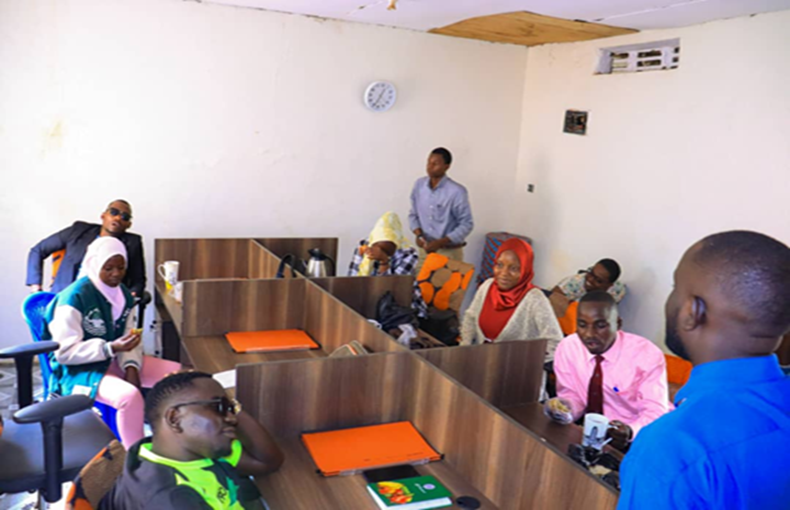 Participants didn’t just listen—they engaged deeply, asking pointed questions like:
- “What happens in the budget conference?“
- “Is budget information publicly available at the division and local council levels?"
- “How can youth access up-to-date budget data for planning and advocacy?"
- “What criteria determine which projects receive funding first?”
- “How are budgets monitored to ensure funds are used as planned?”
- “What happens if allocated funds are not fully utilized or mismanaged?”
These weren’t academic queries. They were the building blocks of tangible, community-focused work plans, continuously shared and refined via WhatsApp under their mentors’ guidance.
The Result: From Learning to Leading
The impact is measurable and meaningful. Post-program assessments revealed that 85% of participants significantly improved their understanding of civic rights and responsibilities. More importantly, they gained the ability to identify, articulate, and prioritize key community issues.
But the true testament to the program’s success lies in action: 13 of the 30 youth leaders (43%) are now formally contesting for leadership positions in the 2026 elections. From Kampala to Yumbe to Mayuge, these young leaders are stepping onto the political stage with clarity, strategy, and a grounded vision.
A Non-Partisan Path Forward
The Network for Active Citizens (NAC) remains committed to supporting these leaders through non-partisan political mentorship, ensuring that whether they win or lose, the skills and ethical foundations remain. The goal is not merely electoral victory, but sustainable leadership enabling young leaders to advance youth priorities from within the system.